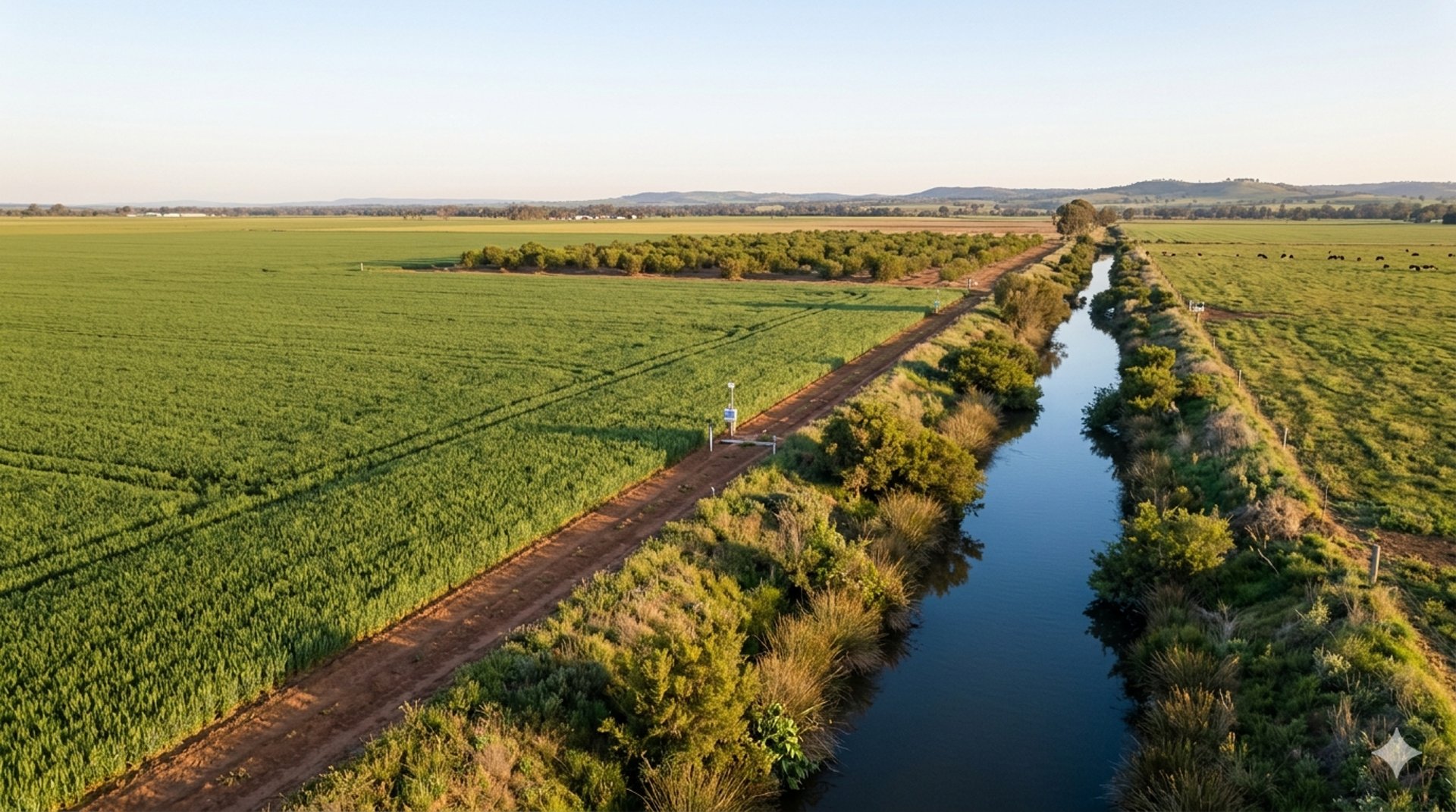
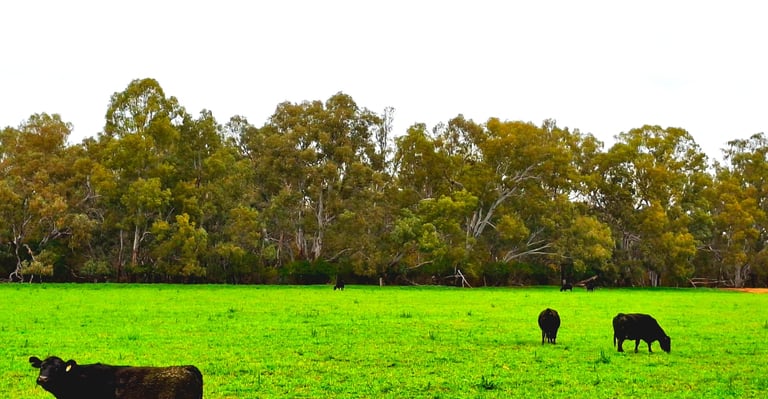
This field project investigates the potential of wood vinegar as a pasture amendment to enhance pasture productivity and support improved soil condition under commercial grazing conditions.
Over a two-year period, the project will assess different wood vinegar application rates using a replicated field trial design. Seasonal monitoring will evaluate pasture biomass production, botanical composition, and selected soil condition indicators to assess agronomic responses to treatment.
Economic assessment will also be undertaken to determine the feasibility and scalability of adopting wood vinegar within pasture-based production systems.
Project Objectives
Evaluate the effect of wood vinegar application on pasture productivity.
Assess changes in pasture botanical composition following treatment.
Monitor soil condition and selected soil quality indicators over time.
Identify suitable application rates and management approaches for pasture systems.
Assess the economic feasibility and scalability of wood vinegar adoption.
Generate evidence to support sustainable pasture management practices.
Project Location: Bomen
Project Status: Ongoing