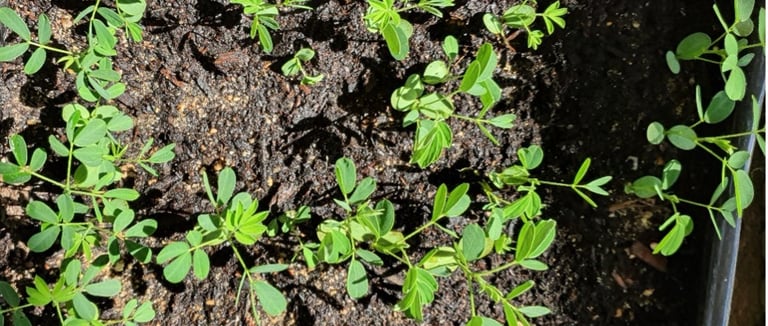
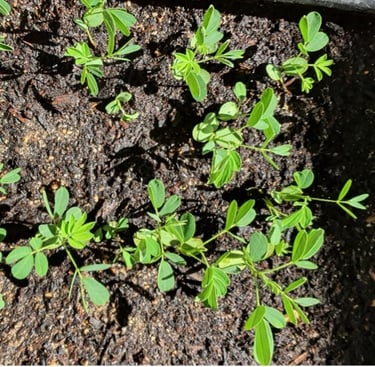
This project investigates the potential of cultivating Senna multiglandulosa (glandular senna, downy senna, or buttercup bush) in the Riverina region as a biomass feedstock for biochar production and carbon sequestration.
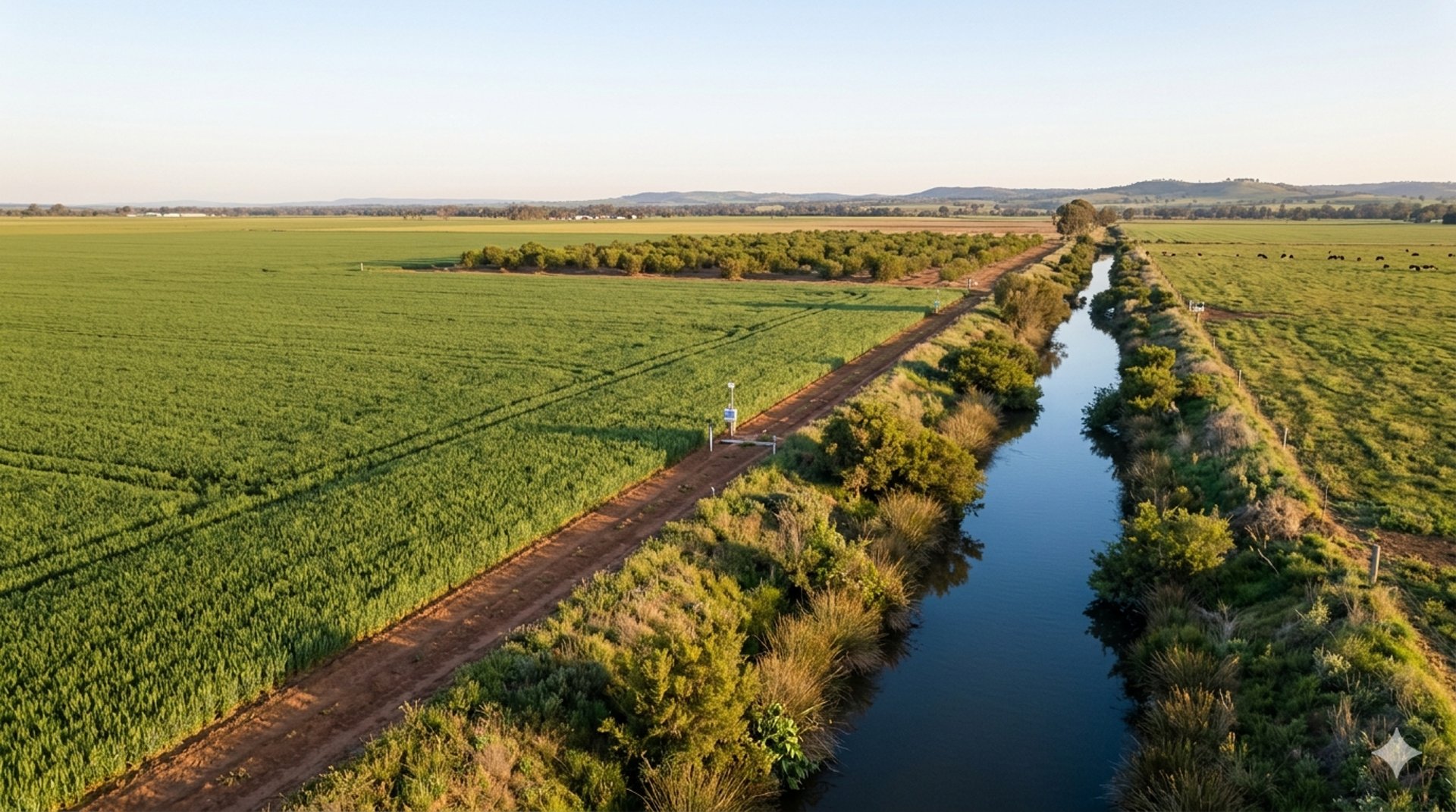
Field trials are underway in Wagga Wagga and Young to evaluate establishment success, growth performance, biomass productivity, and resilience under local environmental conditions, including drought and frost.
Preliminary observations indicate that S. multiglandulosa demonstrates moderate to rapid growth under Riverina conditions, reaching approximately 1.5–2.0 metres within two years while showing tolerance to drought and frost. Early findings also suggest possible suitability for cultivation on lower-fertility land, creating opportunities for biomass production with reduced competition with food production systems.
Initial characterisation of biochar produced from S. multiglandulosa indicates favourable properties, including elevated fixed carbon content and the presence of plant nutrients, suggesting potential applications in soil improvement and environmental management.
This project is also exploring the suitability of S. multiglandulosa-derived biochar for environmental remediation and broader sustainable land management applications.
Project Objectives
Quantify the carbon sequestration potential of S. multiglandulosa cultivation.
Assess suitability as a feedstock for commercial biochar production.
Evaluate the performance of derived biochar for agricultural and environmental applications.
Project Locations: Wagga Wagga and Young
Project Status: Ongoing